
Check the payment route before you play
See how wallet transfers connect casino accounts to your balance, and why payment methods and cashout steps can vary by operator.
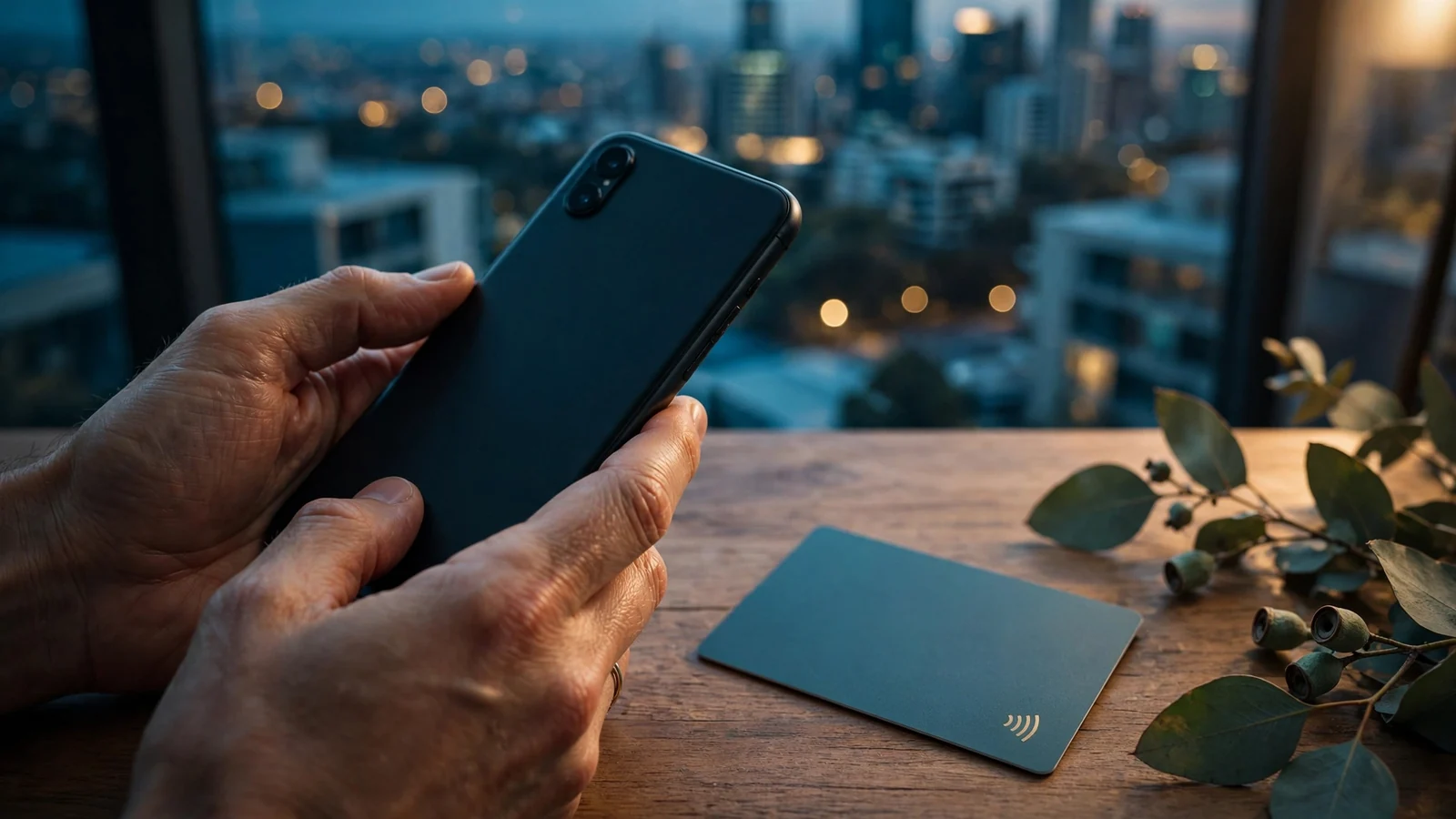
How E-Wallet Deposits and Withdrawals Work
An e-wallet acts as an intermediary between your own payment balance and an account at an offshore crypto-friendly casino. Rather than sending money directly from a bank card to the casino, you move funds through the wallet provider. MiFinity, Skrill and Neteller are examples used for both deposits and withdrawals. Their availability depends on the operator and the terms attached to your wallet account; seeing a method mentioned elsewhere does not mean it will be offered to you.
The basic deposit sequence is: select the e-wallet at the casino’s cashier, enter the amount, then follow the payment instructions shown by the operator and wallet provider. The wallet processes the transfer, and the casino updates its account balance once it has accepted the payment. If a transfer does not appear, check its status with the wallet and the casino before trying again. A second attempt made while the first is still pending could leave you uncertain about whether one or both payments went through.
A withdrawal reverses the direction of the transfer. You request a cashout through the casino, which may first place it in a pending state while it completes its own checks. Once the operator releases it, the money is sent to the nominated wallet, where it can be held or handled according to that provider’s rules. The casino’s approval and the wallet’s receipt are separate stages, so a request marked as processed by the casino is not necessarily visible in your wallet at that moment.
Casinos listed by licence
When choosing online pokies with an e-wallet in Australia, you can use this shortlist to check the licensing and payment details available for each operator. Review the details that matter to you before deciding where to play.
-
GoldenCrown
- License
- Curacao Gaming Control Board OGL/2023/176/0095 (Hollycorn N.V.)
GoldenCrown lists a Curacao Gaming Control Board licence, OGL/2023/176/0095, held by Hollycorn N.V.
-
SkyCrown
- License
- Tobique Gaming Commission
- Payout speed
- crypto ~10-15 minutes, fiat 1-5 days
- Min. deposit
- A$30
SkyCrown lists a Tobique Gaming Commission licence and a minimum deposit of A$30. Its stated payout speeds are around 10–15 minutes for crypto and 1–5 days for fiat.
-
Playfina Casino
- License
- Curacao eGaming (Hollycorn N.V., since 2017)
- Min. deposit
- A$20-30 (depends on the offer)
Playfina Casino lists a Curacao eGaming licence held by Hollycorn N.V. since 2017. Its minimum deposit is A$20–30, depending on the offer.
-
JustCasino
- License
- Curacao Gaming Control Board
JustCasino lists a Curacao Gaming Control Board licence.
-
JeetCity Casino
- License
- Curacao eGaming (Dama N.V.)
JeetCity Casino lists a Curacao eGaming licence held by Dama N.V.
-
DragonSlots Casino
- License
- Curacao Gaming Authority (Jumpman Gaming Ltd)
DragonSlots Casino lists a Curacao Gaming Authority licence held by Jumpman Gaming Ltd.
-
Lucky Dreams
- License
- Curacao
- Min. deposit
- A$20 (POLi)
Lucky Dreams lists a Curacao licence and a minimum deposit of A$20 via POLi.
-
SpinsUp
- License
- Curacao Gaming Control Board OGL/2023/174/0082 (Dama N.V.)
SpinsUp lists a Curacao Gaming Control Board licence, OGL/2023/174/0082, held by Dama N.V.
-
Wild Tokyo
- License
- Curacao
- Payout speed
- crypto 30-60 minutes, fiat 1-5 days
- Min. deposit
- A$10
Wild Tokyo lists a Curacao licence and a minimum deposit of A$10. Its stated payout speeds are 30–60 minutes for crypto and 1–5 days for fiat.
-
Vegaz Casino
- License
- Curacao OGL/2024/1335/0780
- Min. deposit
- EUR 20
Vegaz Casino lists a Curacao licence, OGL/2024/1335/0780, and a minimum deposit of EUR 20.
Timing claims need to be read with that distinction in mind. A specialist review reports that e-wallet withdrawals may arrive within 24 hours after the casino’s pending period, and gives a similar under-24-hour processing estimate for e-wallet and cryptocurrency withdrawals. That is a reported estimate, not a promise or a settled timeframe for every operator. The pending period comes before the transfer to the wallet, and the review’s estimate does not remove that wait. Check the casino’s stated process and any status updates rather than treating a quoted time as a guaranteed arrival.
A wallet can make the payment route more distinct from a direct bank transfer, but it does not remove the casino’s role in releasing a withdrawal. If the operator has not approved the request, the wallet cannot complete the cashout on its behalf. Likewise, a delay after release may need to be checked with the wallet provider. Keeping the casino’s transaction reference and the wallet’s payment record can help you explain where the transfer appears to have stopped.
Before making any payment, confirm that the operator accepts people located in Australia. This matters before you deposit: a payment option working at the wallet end does not establish that the casino accepts your location, and a successful deposit does not guarantee a later withdrawal will be straightforward. Any operators presented alongside this information are offshore and crypto-friendly; do not treat that description as an endorsement or as confirmation of access. Check the site’s location conditions directly before sending funds.

It is also worth separating the wallet balance from money displayed in a casino account. A deposit may leave your wallet before the casino shows the funds, while a withdrawal may remain under casino review before it reaches the wallet. These are different account records, controlled by different services. If the amounts or statuses do not match, compare the transaction details and contact the relevant provider rather than assuming that a delay means the money has been lost or that it will arrive automatically.
Use only payment instructions displayed by the wallet provider and the casino, and take care not to share wallet credentials or approval codes with anyone claiming to speed up a transaction. A payment route is useful only if you understand where the funds are at each stage and what the operator says happens before release. Keep records of deposits and withdrawal requests, and avoid making another payment simply to test whether the first one worked.
Logging In and Playing on a Mobile Browser
For many Australian punters, opening an offshore casino on a phone means using its website in a mobile browser. You visit the site, choose the sign-in option and enter the account details you use on desktop. The mobile page is generally another way to reach the same account, rather than a separate profile that needs its own registration.
That distinction helps when you are looking for an e-wallet login for pokies. An e-wallet is a payment method; it is not normally the way you sign in to the casino account. You log in with the credentials set up for that account, while payment options are handled separately. A wallet may be used to move money, but it does not replace the casino’s sign-in process.
Why browser play is the default
Casino apps are seldom available through the Google Play Store or Apple App Store in Australia. As a result, browser access is the usual route: open the casino website in your phone’s browser and use its mobile pages. Casinos that accept Australian users may also offer a Progressive Web App, or PWA, but that is still connected to the website rather than proof that a native app exists.
A browser can be a straightforward option because it avoids having to find a separate app listing. You can return to the casino’s web address and sign in there. If you already use the account on a computer, the mobile browser generally uses that same account. There is no need to treat mobile access as a different account simply because the screen is smaller.
The browser route also makes it easier to distinguish the account from the device. Your login belongs to the account, not to a particular phone app. If you change phones or use a different browser, you still reach the account through the website, subject to the site’s own access and sign-in requirements. Keep your login details private and use the correct website address; a familiar-looking page is not enough to establish that it belongs to the operator.

What a PWA does—and does not do
A Progressive Web App is a shortcut to a website that can behave much like an app on a mobile device. If the casino website offers an install or add-to-home-screen prompt, you can tap it and confirm to place the shortcut on your device. Later, tapping that icon opens the site in an app-like presentation.
That appearance can be useful, but it does not turn the PWA into a separate native app from an app store. It is still a way of reaching the website, and the account remains the same one you use in the browser. Nor should an install prompt be read as a guarantee that every casino provides a PWA: its availability depends on the website.
If no prompt appears, you can continue using the mobile browser. There is no need to install something simply to sign in. A browser bookmark or home-screen shortcut may make the website easier to return to, but neither changes how the casino account works.
Be careful with casino apps offered for download outside Google Play or the Apple App Store. Sideloading means installing software from another source, and it carries security risks. The safety of such an app depends on the operator; the fact that it is presented as a casino app does not by itself establish that it is safe. Avoid treating an unfamiliar download as interchangeable with opening the website in a browser.
Keep access and payments separate
A mobile login and an e-wallet payment answer different questions. The login gives access to the casino account; the payment method is relevant when handling money. If you are trying to resolve a sign-in problem, switching wallets is not a substitute for checking the account credentials or the website’s sign-in page. If you are comparing payment methods, that is a separate decision from whether you want to use a browser or a PWA.
DO
- Keep your casino password and wallet credentials separate
- Use only official instructions from the casino or wallet provider
DON'T
- Enter wallet credentials into a casino login form
- Share your approval codes or credentials with anyone
This distinction matters when the words “e-wallet” and “login” appear together. They can describe two steps in using an account, but they are not one combined sign-in system. You should not enter wallet credentials into a casino login form unless the service clearly identifies that step as part of its payment process. Keep account passwords and payment access details distinct, and do not share them with anyone claiming to help you log in.
For mobile access, the practical starting point is the casino’s website in your browser. Use the same account details you use elsewhere, and treat any PWA as a website shortcut rather than evidence of a native app. Payment choices remain separate from this access route; an e-wallet does not determine how the account is opened or whether a casino has an app.
Check Deposit and Withdrawal Rules Before You Choose a Method
An e-wallet appearing in a cashier’s deposit menu does not tell you whether it can also receive a withdrawal. Before choosing a payment route, check the rules for both directions and for your account. The distinction matters: some casinos make certain methods available only for deposits, while others require a withdrawal to use the same method as the deposit. These conditions vary, so do not assume that a method’s name in one part of the cashier settles the question.
Look for a payment-method page or cashier information that explicitly says whether the e-wallet supports deposits, withdrawals, or both. If the wording is unclear, ask customer support to confirm the rule for your account and intended method before you transfer funds. Keep the answer and the relevant terms accessible. A general statement that an e-wallet is supported may refer only to deposits, and a list of available methods may not explain how cashouts are handled.

If a same-method rule applies, consider what it means before depositing. You may need to use the same e-wallet for the withdrawal, and the account details may need to match the details on your casino account. Check whether the terms explain what happens if the original payment route cannot accept a payout or is no longer available. Do not rely on an assumption that another method can be substituted later.
Check the cashout rules, not just the deposit options
Withdrawal limits can affect whether a payment method suits your circumstances. A specialist review reports that some casinos set weekly or monthly withdrawal caps, with cited weekly limits in the range of $4,000–$10,000. Treat that as an indication that limits can be significant, not as a standard that applies to every site. Check the current terms for the specific operator: the limit, the period it covers, and whether it applies across all payment methods or to each method separately.
Also check whether the rules distinguish between a per-transaction minimum and a total amount that can be withdrawn over a stated period. If a limit is unclear, ask support to explain how it applies to your account. A headline limit may not tell you whether a request is divided into separate payments or how multiple requests are counted. Do not plan around a limit until you have confirmed the wording that governs your withdrawal.
Withdrawal Limits
Some casinos set weekly or monthly withdrawal caps, with cited weekly limits in the range of $4,000–$10,000.
Complete verification before you need to cash out
A first withdrawal commonly triggers identity checks. These may require a selfie or identity document and proof of address. Read the verification instructions before making a deposit so you know which documents may be requested and how they must be submitted. Use accurate account details and make sure your documents are current and legible; mismatched information can leave a payment request waiting for review.
Verification is an account condition, not a property of the e-wallet itself. Having a verified e-wallet does not necessarily satisfy the casino’s identity checks. Check what the casino asks for, where documents are submitted and whether verification must be completed before a withdrawal request is accepted. Avoid sending sensitive documents through a channel that has not been identified as the operator’s official process.
It is also sensible to check that you can access the e-wallet account associated with the payment method. That is separate from whether the casino permits withdrawals to it. If you cannot receive or manage funds through that account, a method listed as eligible may still be impractical for you.
Confirm the terms before depositing
Before committing funds, read the cashier information and withdrawal terms together. Confirm that the e-wallet is available to you, that it can be used for cashouts, whether a same-method condition applies, and what verification is required. Then check any withdrawal cap and how its time period is defined. Save a copy of the relevant terms or a dated record of the support response, since payment options and conditions can change.

E-wallet names such as MiFinity, Skrill and Neteller are associated with both deposits and withdrawals at some casinos, but a familiar name is not proof that a particular operator supports both for your account. Availability may depend on the operator’s current rules and your location. Recommended casinos are offshore and crypto-friendly; confirm that a site accepts your location before depositing. Do not treat a payment option as a recommendation or as assurance that a withdrawal will be available.
If a dispute arises over a refused payout, there is no Australian government body to complain to about an offshore casino withholding winnings. Using a VPN to reach a blocked casino may also put winnings at risk and lead to account closure. These are reasons to check the conditions and location acceptance before sending money, rather than trying to resolve restrictions after a payment has been made.
AUD Payments: Processing Times and Possible Delays
Payment timing depends on the route, the casino’s own processing arrangements and whether the transaction is a deposit or a withdrawal. A method appearing on a payment page does not mean it will work for every Australian punter, or that its timing will be the same at every site. Check the current payment information before you try to move money.
Deposits: speed is not the whole picture
PayID is described as near-instant for deposits and typically free in a specialist review. Treat that as a reported guide, not a promise about every casino or bank: the operator’s payment terms and the transaction itself still matter. A deposit that does not appear promptly should be checked against its status in the casino account and the payment provider’s record, rather than submitted again straight away.
PayID
Described as near-instant for deposits and typically free.
BPAY & Cards
Available on mobile, though some banks may flag gambling charges.
Cryptocurrency
Offered as a deposit method, though processing times vary by operator.
Specialist reviews also describe PayID, BPAY, cards and cryptocurrency among the deposit methods that may be offered on mobile, with processing times varying by route. Availability is site-specific; do not assume that a method listed in a general review is available to you or at the site you are considering. Confirm that the site accepts your location before depositing.
POLi is not a current option for local transactions. Its Australian operations closed in September 2023, so a page that still presents it as an available Australian payment route may be out of date. Do not treat an old reference to POLi as evidence that a payment can be made through it.
Card deposits can fail even when the card is working for other purchases. A specialist review reports that some Australian banks block or flag gambling-related card charges. A declined transaction may therefore reflect the bank’s handling of the charge rather than a temporary problem with the casino. Check with the bank if the reason is unclear, and avoid repeated attempts that could create additional holds or confusion in your account history.
Cryptocurrency is another method mentioned in specialist reviews of mobile casino deposits, but that does not establish that every operator accepts it, or indicate how quickly a particular transaction will be credited. The payment page and current terms are more useful than a general description. Do not infer a processing time where the operator has not stated one.

Withdrawals: allow for the bank route
Bank transfers can take up to five business days for withdrawals, according to specialist review information. This is a stated possible timeframe, not a guarantee that every transfer will finish within it. A bank transfer can take longer to show in your account if the casino has not yet released the payment, or if the receiving bank is still processing it. Keep the operator’s status update and your bank record so you can distinguish those stages when asking about a delay.
A withdrawal estimate is not necessarily the time from the moment you press a button to the moment funds are usable. Casino review material may describe the transfer stage, while the operator’s own terms may also include its processing period. Read the wording carefully and check whether the stated clock begins when a request is submitted or when it is approved. If the payment remains pending, ask the operator what stage it has reached rather than assuming the bank is responsible.
Do not expect the same route to behave identically for a deposit and a cashout. A method may be listed for deposits without being available for withdrawals, and the timing for one direction does not establish the timing for the other. For a comparison, look for separate estimates for deposits and withdrawals, not a single broad claim that a payment method is fast.
How to read timing claims
A useful payment description should identify the method and the transaction being timed. “Fast payments” tells you little if it does not say whether it refers to a deposit, a withdrawal request or the final arrival of funds. Pay attention to whether a claim is about the casino’s processing or the provider’s transfer; those are different stages and can be reported separately.
Treat broad timing claims as indicative, especially where they come from a review rather than the operator’s current terms. Payment options and processing arrangements can change. Before depositing, confirm that the site accepts your location and check its current payment page for the method you intend to use. If timing matters to you, look for a stated withdrawal timeframe and any conditions that could affect it, rather than relying on an estimate for another route.
Keep a record of the transaction date, amount and status shown by the payment provider and the casino. If a deposit is missing or a withdrawal appears delayed, that information can help you ask a precise question and avoid making a second payment while the first is unresolved.
What to Check When a Casino Is New to You
A page that loads slowly or freezes on a phone can make it hard to tell whether the problem is the connection, the browser or the site itself. Before treating a technical fault as a payment or account issue, check the basic conditions on your device. A specialist review identifies poor connections, limited available memory, outdated browsers and too many background apps as common sources of mobile casino problems. These are practical checks, not a guarantee that a site will work reliably.
Check the connection first
A weak or unstable internet connection can interrupt page loading and make interactive content stall. If the page behaves differently from one moment to the next, check whether your connection is steady before changing other settings. Moving to a location with better reception or reconnecting to a stable network may help you work out whether the issue is local to the phone.
Avoid repeatedly refreshing a page while it is still loading. That can leave you unsure whether the first request completed and whether the page is responding or simply delayed. Give it time to settle, then try again if needed. If other websites are also slow, that points towards a broader connection problem rather than one particular casino page.
A brief interruption can also leave a page in an incomplete state. Close it and reopen it only after the connection is stable. If the same problem continues while other websites work normally, note what happens and when; that will make it easier to describe the fault accurately if you contact the site’s support team.
Make sure the browser is current
An outdated browser may not handle a site’s current pages as expected. Check that your browser is updated through your phone’s normal settings or app store, rather than following a download link from an unfamiliar page. Updates can address compatibility problems as well as security issues.
If a page will not display properly, try a different browser already available on your device. This is a way to isolate the cause, not a reason to install an app supplied by an operator. If the page works in one browser but not another, the difference may be related to browser settings or compatibility. If it fails in both, check the connection and available memory before drawing conclusions.
You can also close the affected tab and open the site again directly, rather than relying on a saved page that may have become outdated. Clear browser data only if you understand what will be removed: stored site information may include preferences or saved sessions. Do not share passwords or verification details with anyone offering to “fix” the browser.
- Check that your internet connection is stable
- Ensure your mobile browser is updated to the latest version
- Close unnecessary background apps to free up memory
- Verify the website address is correct and familiar
Free up memory and close background apps
Phones have limited working memory, and other apps can compete for it. If pages repeatedly stall, close apps you are not using and then reopen the browser. This is a simple test: if performance improves, the phone may have been under pressure from other tasks.
Check whether several demanding apps are running at once, especially if the device feels slow outside the browser as well. Restarting the phone can clear temporary strain, but it will not solve a weak connection or a browser that needs updating. Try one change at a time, so you can identify what made a difference instead of changing several settings without knowing the cause.
Keep enough free storage for the phone to operate normally, too. Storage space and working memory are different, but a device that is generally short on room may be harder to keep updated and running smoothly. Remove only files or apps you are comfortable deleting; do not install “cleaner” tools from unfamiliar sources simply because a page suggested them.
Separate a device fault from a site fault
If other websites work normally and the same page continues to fail after you have checked the connection, browser and background apps, the issue may be with the site. Record the basic details: which browser you used, whether the connection was stable and what the page did. A clear description is more useful to support staff than repeated attempts that produce no new information.
Do not respond to a technical problem by downloading an unofficial app or changing security settings. Sideloaded casino apps carry security risks, and their safety depends on the operator. A website shortcut or prompt does not by itself establish that an app is trustworthy. If you are unsure what a file will install or what permissions it requests, do not proceed.
If you are considering a new e-wallet option alongside a casino, keep the technical check separate from the decision to deposit. Before sending money, confirm that the site accepts your location. A page loading correctly on your phone says nothing about whether its services are available to you, and it is not a reason to rush into a transaction.
Offshore Casino Risks and Australian Legal Limits
Australian law draws a line between the conduct of an offshore operator and that of an individual punter. Under the Interactive Gambling Act 2001, it is prohibited for gambling operators to provide online casino-style games to people in Australia. The Act does not make it illegal for an individual Australian to play at an offshore mobile casino. That distinction does not make the service locally approved, protected or dependable.
The Australian Communications and Media Authority (ACMA) works to restrict access to gambling services that breach the rules. A site that loads today may later be blocked, and access can be interrupted without warning. A block is not proof that a particular payment method has failed or that your account has been closed; it is a sign that access to the service is restricted. Do not try to work around that restriction with a VPN. If a casino’s terms prohibit access from a blocked location, using a VPN may lead to winnings being voided and your account being closed.
An offshore casino may refer to a jurisdiction such as Curaçao, Malta or Gibraltar in its licensing information. That detail does not change the Australian restriction on operators, and it does not give you the same avenue of recourse you would have with a local service. A licence reference should not be treated as a guarantee that you can recover money if a dispute arises.
Legal Risk
Using a VPN to bypass gambling restrictions may lead to your winnings being voided and your account being closed.
If an offshore casino refuses to pay, there is no Australian government body you can complain to for help recovering those winnings. You may be left dealing with the operator’s own complaints process, whose outcome you cannot assume in advance. Before entering payment details, consider what you could do if a withdrawal is delayed or rejected, and avoid depositing money you cannot afford to lose. This is a practical risk, not a prediction that every operator will withhold funds.
If you are considering a site described as an offshore crypto-friendly casino, first confirm directly with the operator that it accepts customers physically located in Australia. Do this before depositing, and do not rely on a page that merely lists Australian payment options or mentions Australian dollars. Acceptance can depend on the operator’s current terms and restrictions. If the site does not clearly confirm your location is accepted, do not proceed.
Keep the age requirement in view as well: you must be at least 18 to register and gamble in Australia. An offshore site’s registration form or successful payment does not establish that its service is permitted to operate here. Nor should the fact that other Australian users appear to access it be taken as confirmation that the site accepts your location or that access will remain available.
E-wallet payments do not remove these risks. They are only a way to move funds; they do not provide Australian consumer protection for an offshore casino account, prevent an access block or guarantee that a dispute will be resolved. Treat the operator’s location rules and your ability to accept the financial risk as separate checks before making any deposit.
Read the Bonus Terms Before Claiming an Offer
A no-deposit offer linked to an e-wallet may sound as though it requires no commitment, but the terms can still restrict what you can do with any bonus balance or winnings. Treat the offer as a set of conditions to assess, not as a reason to open an account or deposit.

Before claiming, check the wagering requirement and how it is calculated. An affiliate review reports welcome-bonus requirements in the range of 30x to 50x the bonus amount and characterises requirements above 40x as steep. These are reference points from that review, not a rule that applies to every offer. Read the actual terms: they should say what amount must be wagered and which activity counts toward clearing the requirement.
Next, check game restrictions. The terms may limit which games contribute to wagering, or exclude some games altogether. Do not assume that playing any available game will advance the requirement. If the rules are unclear, consider the offer unusable until the operator explains them in writing.
Look closely at the expiry date and any time allowed to meet the conditions. An affiliate review notes that time limits can affect whether an offer is practical; the deadline for a particular offer must come from its own terms. Make sure you understand when the clock starts and what happens if the requirement is not completed in time.
Also check the minimum deposit, if one applies, and any cashout cap. A bonus described as free may still have conditions tied to deposits or limits on the amount that can be withdrawn. Compare those conditions with the wagering requirement and deadline before deciding whether to claim.
For any offer, check all four essentials: wagering requirements, game restrictions, expiry dates and cashout caps. Keep a copy of the terms shown when you opt in, since conditions can be easy to overlook after the offer has been activated. If a key condition is missing or ambiguous, do not rely on an interpretation that favours you.
These promotions are associated with offshore operators, not Australian-licensed online casino services. Do not treat a bonus description as an endorsement. If you are considering an offshore crypto-friendly casino, confirm that it accepts your location before depositing; a promotion does not remove the need to check that first.
Is mobile casino gambling legal in Australia?
Yes, playing at an offshore mobile casino is not illegal for individual Australian players under the Interactive Gambling Act 2001. However, that Act prohibits operators from offering online casino-style games to people in Australia.
What is a PWA casino?
A PWA casino is a casino website that can behave like an app on your phone. You can add it to your home screen from the website; it is not a native app from an app store.
Should I accept a welcome bonus?
Only if the wagering requirements, minimum deposit and time limit suit you. Requirements are commonly 30x to 50x the bonus, and many offers expire after 7–10 days.